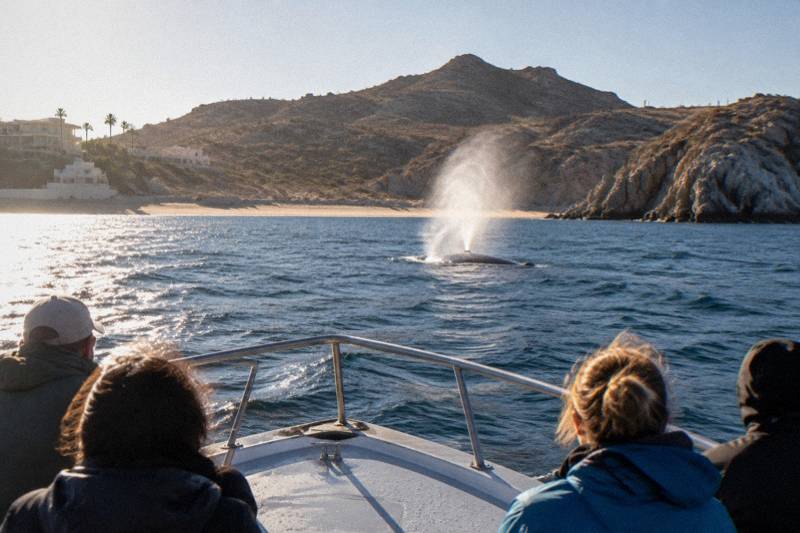
What Is The Best Month To See Whales In Cabo San Lucas?
Month-by-month whale timing for Cabo San Lucas: when humpbacks arrive, when tours legally run, and which sunset whale cruises to book for each part of the season.
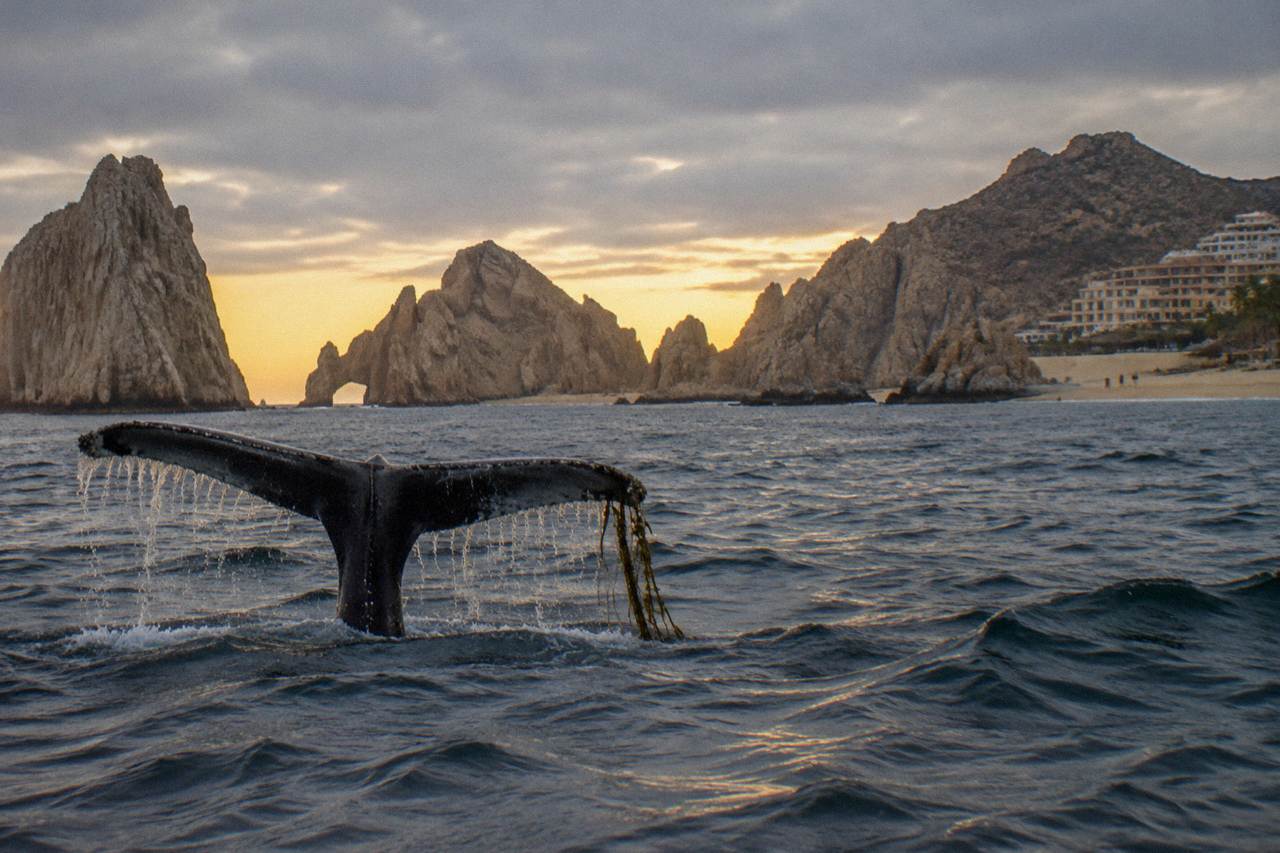
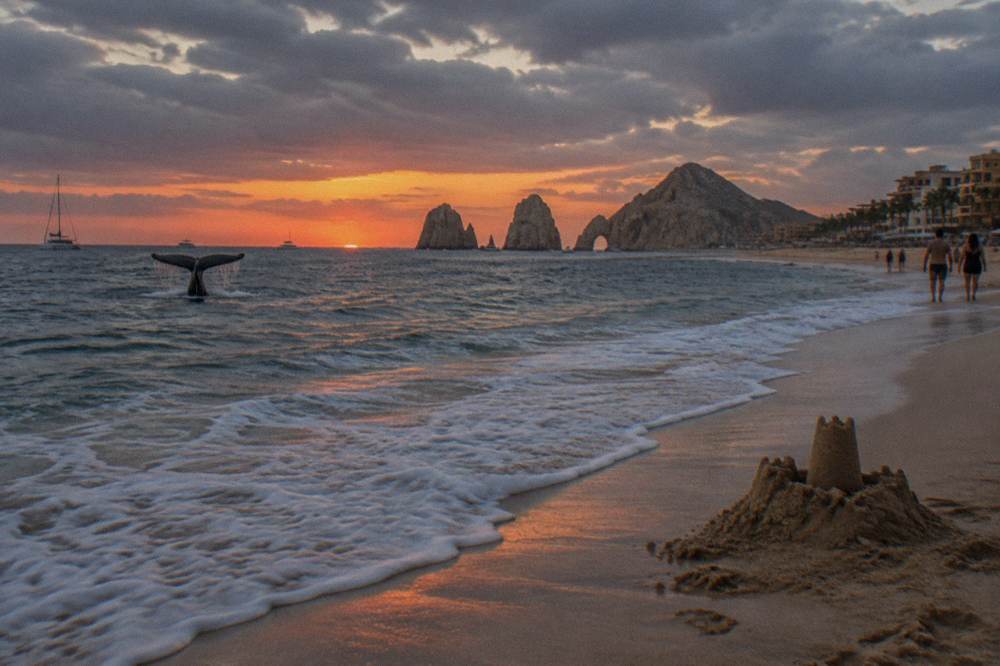
February is the month most operators point to, and late January through the end of February is the reported peak, when adult whales and new calves are both active in Los Cabos waters. Operators and guides describe the season as roughly December to April, and local reporting for the 2026-2027 season gives December 15, 2026 to April 15, 2027 as the licensed tour window. Any month inside that window can produce sightings; no operator can promise one.
That peak matters because it shapes everything else on this page: pricing, crowd levels on the marina, and which cruises are even legal to run. Mexico regulates whale watching nationally, and the 2026-2027 season dates reported for the Cabo San Lucas area come from SEMARNAT, the federal environment ministry, as local season reporting summarized in October 2026 makes clear. Humpbacks may reach the area as early as late November, but commercial close-approach tours are prohibited before the official start, so a trip booked in early December is not a whale trip in the licensing sense.
Timing also decides which product you end up on. The Cabo Sunset Cruises roster carries three sunset whale combos, and they overlap the season differently: the Sunset Whale Watching Cruise in Cabo San Lucas, a 2.5-hour shared trip from $109 per person with wine and an appetizer; the Los Cabos Sunset Whale Watching Cruise with Open Bar, a 3.5-hour trip with a full open bar; and Sunset Whale Watching in San Jose del Cabo, a 2.5-hour trip that departs from the other end of the corridor.
It helps to separate two questions people usually blur together. "When are the whales here?" is a biology question with a fuzzy answer: roughly December to April, reported by the operators and guides who spend those months on the water. "When can I book a whale tour?" is a licensing question with a crisp answer: mid-December to mid-April for the season ahead. A traveler who confuses the two books a November trip expecting a whale trip and gets a pleasant sunset sail instead. This page walks the calendar month by month, then gets practical: how the sighting rules work, what a whale cruise costs on this roster, and how the protected-area fee at Land's End fits into a whale-season boat day.
How Does The Cabo Whale Season Actually Work?
The licensed season runs December 15 to April 15 for 2026-2027, reported locally in October 2026, with the peak described as late January through February. Rules under NOM-131 require boats to stay at least 60 meters from whales, 80 meters from a mother and calf, with a 30-minute observation limit per pod. These are approach rules for licensed boats, not sighting promises.
The whales here are mostly humpbacks that migrate from northern feeding grounds, and their arrival is a natural event, not a schedule. Some years the first animals are described in late November; some years the build is slower. What has a schedule is the tour industry around it. Local reporting says operators were already opening 2026-2027 bookings in October, and that popular dates, holidays, Presidents' Day and Spring Break, fill first. January 2026 also saw PROFEPA and SEMARNAT run training and inspections on good whale-watching practices for Los Cabos operators, which is why permitted boats display an official flag and permit number at the marina.
The approach rules deserve a plain-language read because they change what a good trip looks like. Boats approach at no more than 4 knots, diagonally from behind, hold at least 60 meters, extend that to 80 meters when a mother and calf pair is present, and move on after 30 minutes with any one pod. None of that is a limit on your experience so much as the reason the experience exists at all: these rules are what keep the fishery of whale tourism sustainable in a bay that hosts an intense season. The federal enforcement notice on operator training in Baja California Sur describes exactly this enforcement posture, and it is a reasonable thing to ask about at the dock.
One thing worth checking before you book any whale trip: licensed operators keep their distance on purpose. A boat that crowds a whale is breaking the rules, not giving you a better trip. If a dockside pitch sounds too good, that is the tell. For a fuller treatment of the tours themselves, the whale watching in Cabo guide compares the roster in detail, season rules and all.
Which Months Are Strong, Weak, Or Closed?
December through April is the reported season, with February the strongest single month and March still reliable. May through November has no licensed whale watching; tours then are sunset cruises that may pass where whales had been. Within the season, early December is thin, January builds, and April tapers as whales head north.
The month-by-month picture below is compiled from operator descriptions and local season reporting, stated as reported rather than official guarantees. No month comes with a sighting attached.
| Month | Reported whale activity | Tour availability |
|---|---|---|
| November | Humpbacks may arrive late in the month; no commercial tours permitted | Sunset cruises run; no licensed whale trips |
| December | Season opens December 15; numbers build through the month | Whale tours legal from mid-month; demand rises over holidays |
| January | Adults active; peak period begins late in the month | Full whale roster running; holiday and late-month dates fill first |
| February | Reported peak: adults and calves both present | Highest demand of the season; book ahead |
| March | Still strong, tapering late in the month as some whales depart | Full season continues; Spring Break crowds on shore |
| April | Stragglers; season closes April 15 | Whale tours legal to mid-month, then revert to sunset format |
February's position at the top is not a marginal call. Local reporting for the 2026-2027 season names late January through end of February as the highest-density window, when adults and calves are both commonly described. That also makes it the most crowded window on the water and the most expensive week for hotels, a trade-off worth naming honestly. The calves are part of why the rules single out mother-and-calf pairs with a wider approach distance: the newborns are the point of the whole migration, and they are also the most vulnerable animals on the water.
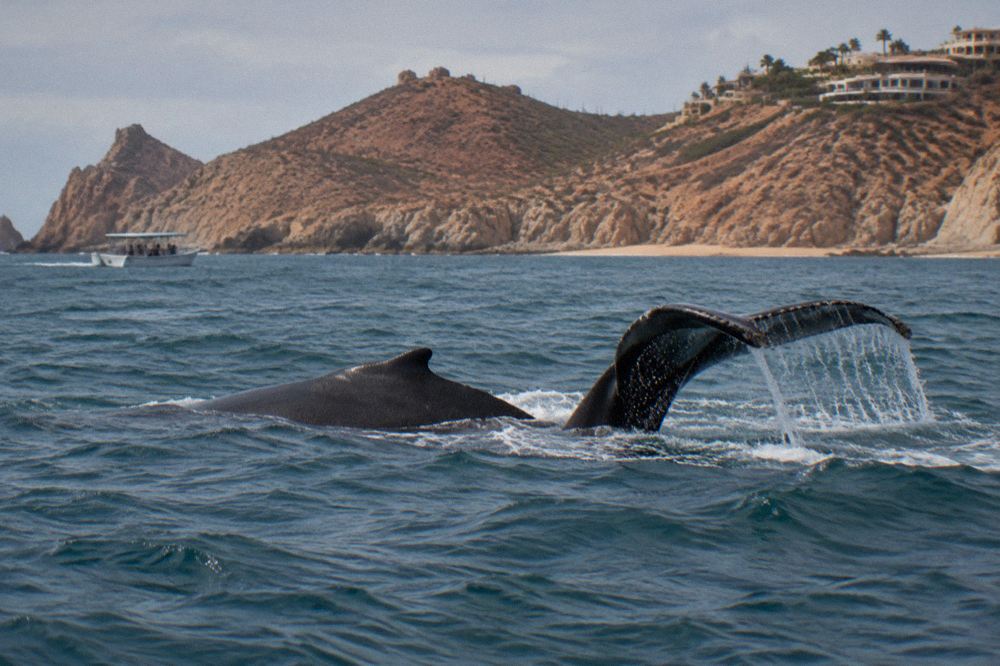
March is the quiet contender. The whales are still described as present in numbers, Spring Break pushes beach crowds up but the whale-boat calendar is less compressed than February's, and sunset times have shifted later, which matters if you are booking one of the sunset whale combos rather than a morning trip. The sunset times by month in Cabo San Lucas page carries the month figures; roughly, mid-October sunset sits near 5:49 PM and December 1 near 5:33 PM, so a sunset whale cruise boards early in winter.
April rewards realistic expectations. The first half of the month is still licensed season, with stragglers described rather than density, and after April 15 the same boats and crews pivot back to straightforward sunset sailing. If your dates are late April, book the sail, enjoy the water, and treat any whale that appears as an unadvertised bonus rather than the reason you paid.
The closed half of the year deserves one honest paragraph too. From May through mid-December, the waters off Cabo San Lucas are not empty of interest: sea lions haul out near the Arch year-round, and the 1-hour El Arco sunset boat tour from $38 per person lists sea lion spotting as part of its route. But it is not whale season, and no listing on this roster sells it as one in those months. Whenever you plan your trip, the guide to what Cabo San Lucas is best known for covers the Arch, the marina, sport fishing, and the nightlife that can fill any itinerary outside whale season.
What Does Each Part Of The Season Feel Like On The Water?
Early season, mid-December to early January, is cooler, less crowded and less certain. Peak season, late January to February, is the busiest on the marina and the most reported whale activity. Late season, March to mid-April, offers calmer booking conditions with activity winding down. Weather can interrupt any of them.
Early season has an honest appeal. The holidays bring their own crowds to Cabo, but the whale-boat calendar has just opened, dates are easier to find, and the water is at its coolest of the whale months. Air temperatures in December and January are mild by desert-coast standards, evenings on the water can feel genuinely cool, and a light layer is standard advice for any sunset sailing in those months. The trade-off is simple: fewer whales have arrived, so a mid-December trip carries more uncertainty than the same trip in February. If you're still weighing whether a trip this early in the season earns its price, our guide to whether whale watching in Cabo is actually worth it breaks down typical tour costs, boat rules, and what the listings really include.
Peak season is when the three sunset whale combos on this roster earn their keep. The Los Cabos Sunset Whale Watching Cruise with Open Bar runs 3.5 hours, the longest of the three, with a full open bar listed including beer, tequila, mezcal, spirits, sodas and juices; it departs from the Plaza Gali area of the marina. That length suits a peak-season trip because it gives the crew more water time without a longer commitment than an evening allows. The San Jose del Cabo departure, meanwhile, exists for travelers staying at that end of the corridor, a genuine convenience rather than a gimmick, since the corridor can take half an hour or more to drive in season traffic.
Late season is the connoisseur's pick only in one sense: it is easier to book. Reports describe stragglers rather than density, and April 15 ends the licensed window. If your dates are locked to Easter week, a sunset cruise with whales as a possible bonus is the realistic framing, and the listing will tell you what is actually being sold that week. March evenings on the water are also the most comfortable of the season on paper, warmer than January without the full heat of late spring.
Weather cuts across all three phases. The port can close small vessels on a weather or hurricane alert, and tours then cancel or reschedule per the listing. Hurricane season runs May 15 to November 30, so the season opener in mid-December sits just past it, but winter systems and north winds can still restrict smaller boats now and then. When a closure happens, the pattern reported through 2026 was restriction first, reopening by official notice once conditions ease, with tours resuming the same day or the next. If your whale trip is the anchor of a short stay, build in a backup day.
Which Whale Cruise Should You Book For Your Month?
For December through February, book the longest water time you can use: the 3.5-hour open-bar cruise maximizes time around reported peak activity. For March and April, or for a first-timer who wants a shorter evening, the 2.5-hour cruise from $109 per person with wine and appetizers fits neatly before dinner. For San Jose corridor stays, the San Jose del Cabo departure saves the drive.
The table below is the full sunset whale combo roster, exactly as the listings state it. Prices and ratings are firm figures from the listings; two of the three carry too few reviews for a star claim.
| Cruise | Duration | Price | Rating | Departs |
|---|---|---|---|---|
| Sunset Whale Watching Cruise in Cabo San Lucas | 2.5 hours | from $109 per person | too few reviews for a rating | CaboTrek, Hotel Tesoro, marina |
| Los Cabos Sunset Whale Watching Cruise with Open Bar | 3.5 hours | too few reviews for a rating | Plaza Gali, marina | |
| Sunset Whale Watching in San Jose del Cabo | 2.5 hours | 5.0 from 41 reviews | San Jose del Cabo |
One honest note on that table. The San Jose listing's 5.0 from 41 reviews is a strong score but a small pool; treat it as a good signal, not a verdict.
The 2.5-hour Cabo San Lucas cruise is the one this site features alongside this article, and it earns the spot on structure: wine and an appetizer on board, a private option if you want the boat to yourself, and a departure from Hotel Tesoro right on the marina, which keeps the logistics simple. You can check availability for the whale cruise or read the full whale watching comparison before committing.
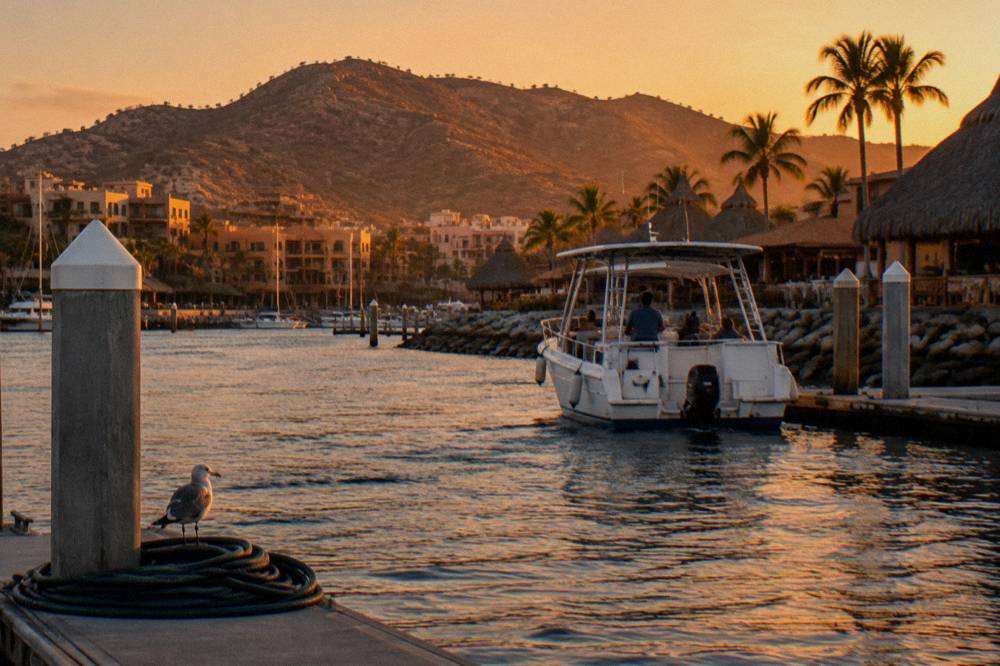
Group format is the last variable. All three combos are shared trips; the Cabo San Lucas listing notes a private option. If your party wants a boat to itself for a whale-season evening, a private sunset yacht from $999 per group for up to 20 people, dinner and drinks included on that listing, is the step up, and it can route through the same waters. The trade is price: per person, a shared combo costs a fraction of a private charter unless your group fills the boat.
What Rules, Fees, And Permits Apply To A Whale-Season Boat Day?
The protected area at Land's End charges 125 MXN per person per day, with a visible wristband required; children under 12, adults over 60 and people with disabilities are exempt, and students, teachers and Mexican nationals get discounts. Foreign visitors staying more than 24 hours also pay a separate Baja California Sur tourist tax of 488 MXN. Check each listing for whether the park fee is included.
The CONANP fee applies to the Area de Proteccion de Flora y Fauna Cabo San Lucas, the protected zone that includes El Arco and Lover's Beach, and the official CONANP page for the protected area lists the current fee, exemptions and the wristband requirement. Whale cruises that route past the Arch pass through this zone, so the fee question is a real one even on a whale-focused trip. Where a listing's inclusions do not state the fee, assume you pay it separately and confirm before boarding.
The state tax is separate and easy to confuse with other Mexican tourist charges. The age threshold is reported inconsistently across sources, so check the portal rather than relying on a printed cutoff here.
What Should You Expect To Pay And When Should You Book?
Book December-to-February dates early; operators were already selling the 2026-2027 season in October.
The booking-timing advice is not marketing pressure. Local reporting in October 2026 said top operators had opened the new season's bookings and that holiday, Presidents' Day and Spring Break dates fill fastest. February is a short month with the highest described whale density; the arithmetic of supply and demand does the rest.
What you get for the money also varies by format. A whale-focused shared cruise is a wildlife trip with a sunset attached. A dinner cruise is a meal with the water as scenery, and the dinner category on this roster runs from $95 per person for the Mexican buffet with live music up to $199 per person for a yacht chef dinner. A private yacht from $999 per group is a different product entirely. If whales are the reason for the trip, buy the whale product, and let the sunset be the bonus rather than the reverse.
One planning note that pairs with the calendar: sunset whale cruises are evening products, so the whole trip rides on the day's marine conditions. A morning closure can lift by afternoon, and an afternoon restriction can end a sunset departure. Booking the first viable day of your stay rather than the last gives you a fallback if the port restricts small vessels, and every listing on this roster that states free cancellation makes rebooking the next evening straightforward.
Common Questions About The Best Whale Month In Cabo San Lucas
What Is The Best Month To See Whales In Cabo San Lucas?
February, with late January through the end of February described as the peak when adults and calves are both commonly reported. The licensed season runs roughly December 15 to April 15, and any month inside that window can produce sightings, but February is the month operators themselves point to.
Can you see whales in Cabo in November or May?
Humpbacks may arrive as early as late November, but commercial whale watching tours are prohibited before the licensed season opens in mid-December. In May the season has closed. In both months the sunset cruises still run; whales are simply not what is being sold.
Are whale sightings guaranteed on Cabo tours?
No. Sighting guarantees, where offered, mean a rebook or refund, not a promise of whales. The rules require boats to keep 60 meters from whales and 80 from mothers with calves, so a compliant trip is also a respectful distance trip.
How much does a whale cruise in Cabo cost?
On this roster, the firm-priced option is the 2.5-hour Sunset Whale Watching Cruise from $109 per person, including wine and an appetizer.
Do you need a boat to see whales in Cabo San Lucas?
No. In season, whales are often reported visible from shore and from Pacific-side resorts and balconies, especially near Land's End. A boat gets you closer, within the legal approach distances, but the shoreline is a legitimate free option, and the free things to do in Cabo San Lucas guide lists the public viewing spots.